Off-Grid Living: What To Expect
If you are planning to go off-grid, you may be wondering what to expect. One moment you’re all excited about the possibilities, and the next, you’re filled with trepidation. There are so many things that could go wrong.
I’ve been in the same fix a few years ago, which is why I’m sharing some insights about what you can expect if you live off the grid.
In this video, I share the most important tips to approach the planning of your off-grid journey.
What Does "Off-Grid" Really Mean?
Let’s pin down the basics. Technically, living off-grid means your home isn’t hooked up to the public utilities—no municipal electricity, no city water, and no reliance on the standard infrastructure many of us grew up with. If you generate your own power (think solar panels, wind turbines, or trusty old generators), and rely on well water or rainwater catchment instead of a tap from the street, you’re off-grid by classic standards.
That said, the definition isn’t set in stone. Some folks draw the line at electrical independence, while others consider water and even waste management part of the package. There’s debate about whether things like mobile phone networks, satellite internet, or radio access “count” as being on-grid, but for most, the core idea is separation from the big utility companies.
Over the years, I’ve met people off-gridding in all shapes and sizes—cabins deep in the woods, high-tech mansions, cozy tiny homes, and even the occasional converted school bus. Off-grid living doesn’t fit a single mold, and there’s plenty of room for personal definition.
Myths about off-grid living
There are different misconceptions about off-grid living. Mostly, these myths are caused by two extreme scenarios people visualize about this lifestyle.
On one extreme, there are folks who want to go off-grid in their really big 300-square meters bricks-and-mortar house. On the opposite end is going off-grid with a tiny house on wheels.
Both of these extremes have their big shortcoming.
Taking a so-called regular big house off-grid (with the electrical boilers and everything), will cost a fortune. You will probably even need a special room for the batteries and so on.
People consider how expensive this is to pull off, so they give up on the idea.
On the other hand, it’s really easy to go off-grid with a tiny house.
The equipment is cheap, but you don’t get the living quality you expect, especially if you have a family.
Living in a tiny house with a family is not something many people want to do. The idea seems quite impractical and uncomfortable.
What many people fail to consider is that there are options that fall in the middle-ground, where living is affordable, functional, and actually a lot of fun.
What Does Extreme Off-Grid Living Involve?
Let’s talk about what it really means to live on the far end of the “off-grid” spectrum.
Picture this: you’re set up in a converted shed, relying on solar panels for power and drawing water straight from a borehole. Forget Wi-Fi—sometimes, you can’t even get a phone signal unless you trek up the nearest hill. Still, there’s a surprisingly common belief that as long as you have any kind of electricity or running water, you’re not truly “off-grid.”
In reality, the most extreme form of off-grid living means letting go of almost all modern conveniences. Some folks—think survivalists and hardcore minimalists—try to get by without internet, cell reception, or sometimes even regular plumbing.
They haul water, light up with lanterns, and find inventive ways to stay warm (or cool) without the trusty thermostat.
Here’s what often comes with this approach:
- Minimal reliance on any municipal utilities
Living in very basic shelter, such as a cabin or tiny home - Off-grid energy solutions (solar, wind, or sometimes none at all)
- No fast internet—maybe no internet at all
Contending with isolation and limited communication
Such a setup sounds idyllic to some, but for most people, it’s a tough adjustment—especially if your work or family life depends on technology and reliable amenities. Going this route requires serious commitment and creativity.
For many, even with pared-back living, a little electricity and a dribble of running water are necessary to maintain comfort and stay connected enough to handle work, emergencies, or simply call home.
The debate: What “counts” as off-grid?
Here’s a funny thing I’ve noticed: there’s a group of people out there who believe that unless you’re collecting rainwater in a bucket, living by candlelight, and heating your food over a campfire, you’re not “really” off-grid. Strange, right? As soon as you mention things like solar panels or running water—especially if you admit you still have decent WiFi!—someone is bound to say, “Well, that doesn’t really count.”
This idea pops up more often than you might think. For some, being off-grid means completely abandoning all modern comforts, as if using electricity (even from the sun) or a water well somehow “breaks the rules.” It’s as if there’s a purity test for off-grid living, and having a functioning fridge or an internet connection is a sign you’re cheating.
But the reality is, going off-grid is about meeting your own needs in a way that works for you. Whether your power comes from a sprawling battery bank in your shed or you’re still enjoying hot showers with rainwater heated by the sun, you’re taking important steps toward independence. So if anyone tries to say you aren’t “truly” off-grid because you still check your email or have a light switch, take it with a grain of salt.
Balancing a need-based lifestyle
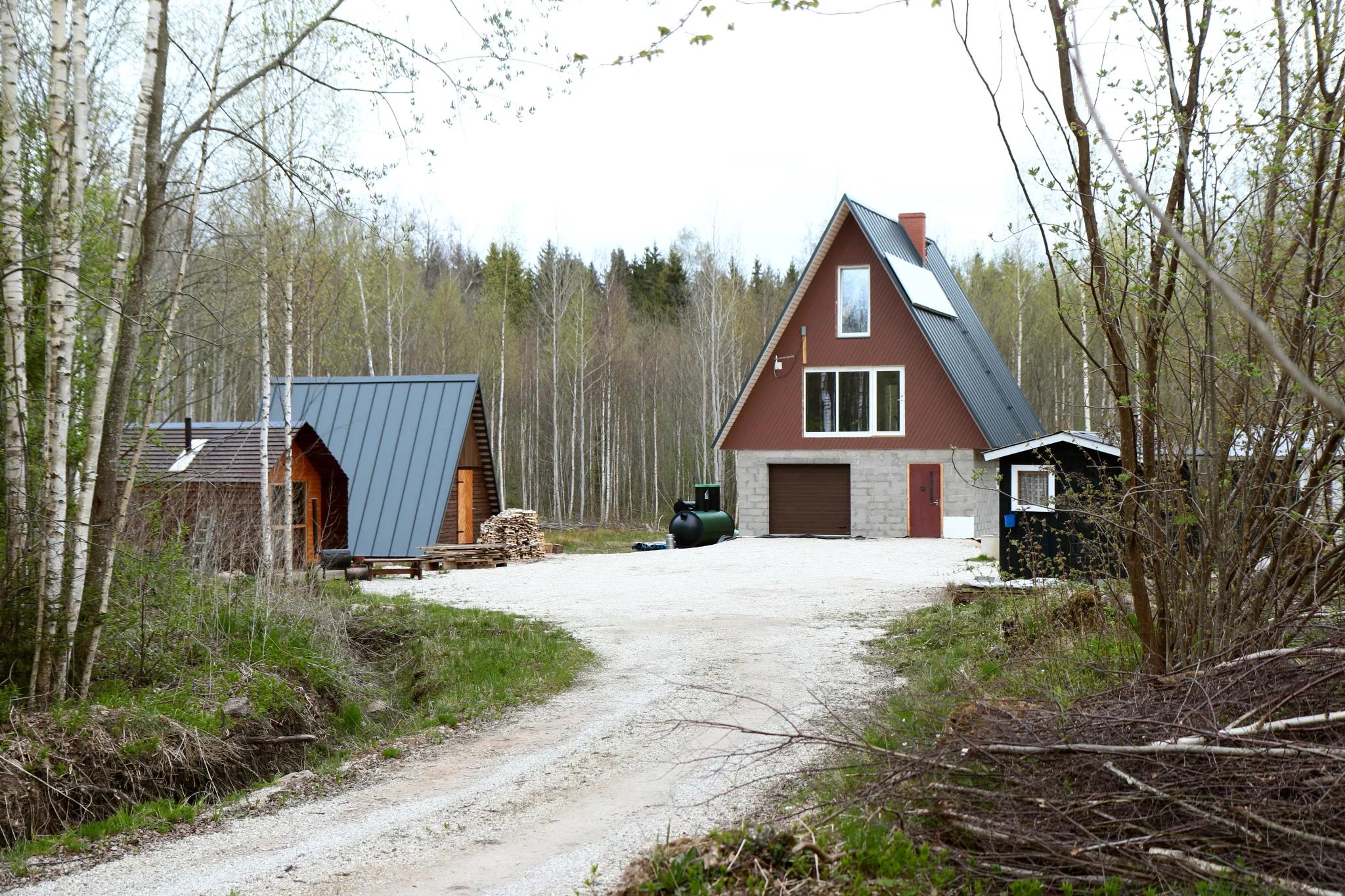
When I went off-grid, I first lived in a tiny house. When my family grew, I built a bigger one. It was an A-frame home.
I also added a few panels to my solar power system. As my needs evolved, and so did my home.
Overall, I’m very happy with those decisions.
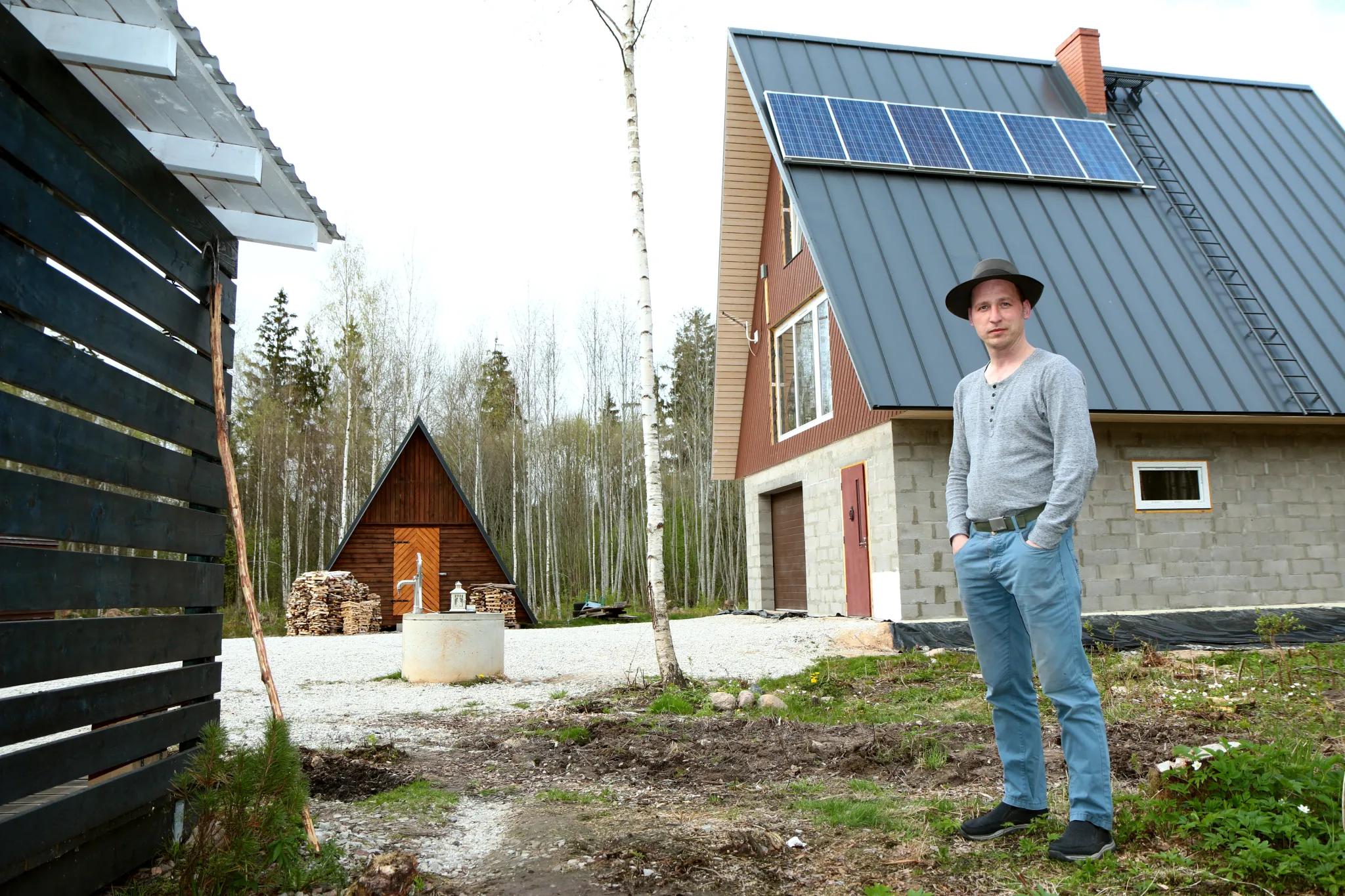
The best suggestion I can give is to make a plan.
When designing off-grid systems for the house you have to start from your level of consumption. That’s the most important part. If you want to live with the bare minimum, getting sufficient supply is easy. If you want to keep your big dryer and washer, well then, you need more panels and more batteries.
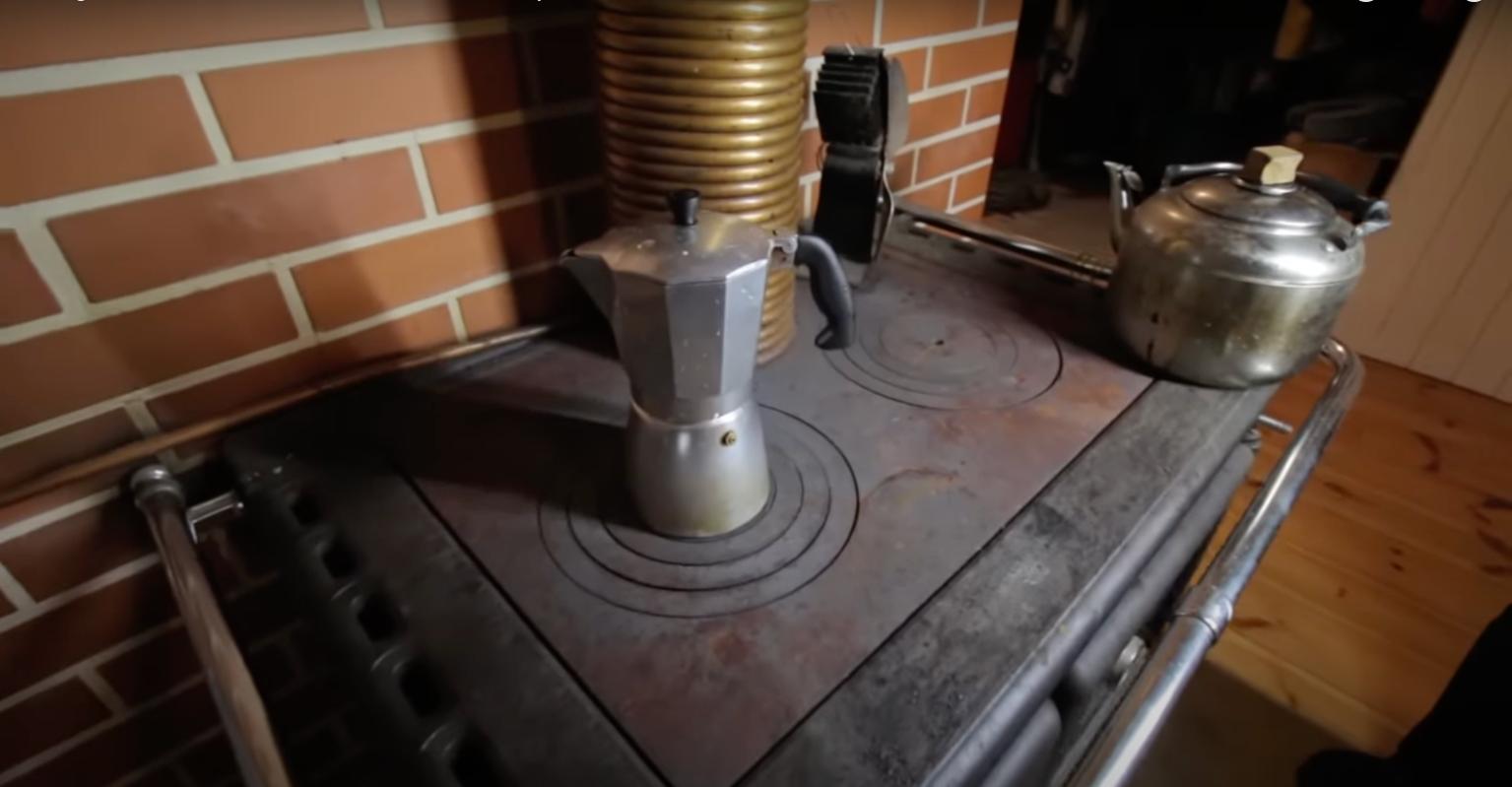
Having said that, there definitely are some constraints. Moving away from an unlimited power supply requires some compromise. For example, I don’t have an electric water kettle. In my current position, I can’t have it. Actually, I could… but that would mean investing more into the batteries, and that’s just to have a cup of coffee quickly with the electric water kettle. The idea makes no sense.
So, start your plan with your consumption. Think about what you really need and what you could live without. What are the things in your life you are quite happy to part with? Like the electric water kettle, in my case.
Perhaps you say to yourself “I need four rooms to be lit up with LEDs. I need my dishwasher. I need my espresso machine, my TV”.
Once you know what you will keep, you can calculate the consumption, and then a specialist can design a system for you.
Pros and cons of off-grid living
There’s a lot of great benefits you get from moving out of the grid:
– LOW UTILITY BILLS
Most significant of all is having little to no utility bill. This translates to big savings.
I have my heating system based on firewood. Since my house is in the woods, I could get plenty of firewood for free. I just have to put in some work and that’s about it.
– STAY IN CONTROL
Second is that you are independent of the grid.
If you’re on the grid, much of your daily life is dependent on it. If the power goes off you’re left in the dark, and often in the cold. You may lose running water and so on.
Second is that you are independent of the grid.
If you’re on the grid, much of your daily life is dependent on it. If the power goes off you’re left in the dark, and often in the cold. You may lose running water and so on. If you have your own system to support your heating, water, and energy needs, you can keep functioning normally day-to-day, with no worries about power outages on the grid.
– SUSTAINABLE LIFESTYLE
Going off-grid is a kind of eco-friendly living. You can have less carbon footprint, which benefits the global community in the long run. That in itself makes it cool.
Despite the major pros, off-grid life also has some downsides:
– HIGH INITIAL COST
Off-grid living is affordable in the long term, but it usually does require a sizable investment at the onset. The large initial investment puts is a major put-off for many.
– YOU’VE GOT TO DO SOME GRUNT WORK
The second downside is that you have to work for the system.
When you are on-grid someone is doing that work for you. Someone is maintaining the system so that the power is delivered to your house, and wastewater is taken away. You don’t need to worry about it, you just pay. With off-grid, you are the one doing the work and you do need to worry about it.
Is the trade-off worth it?
Living off-grid can have a number of benefits and very little downside if you do the planning right.
There is no denying, off-grid life requires some work and grit. The best advice about off-grid living that I’ve ever heard was to remember just three things:
* the nights are dark
* winters are cold
* water doesn’t run uphill.
I’ve been off-grid for years now, and I do have a feeling that my children will want to continue this way of life. Because for me, personally, there is not much downside.
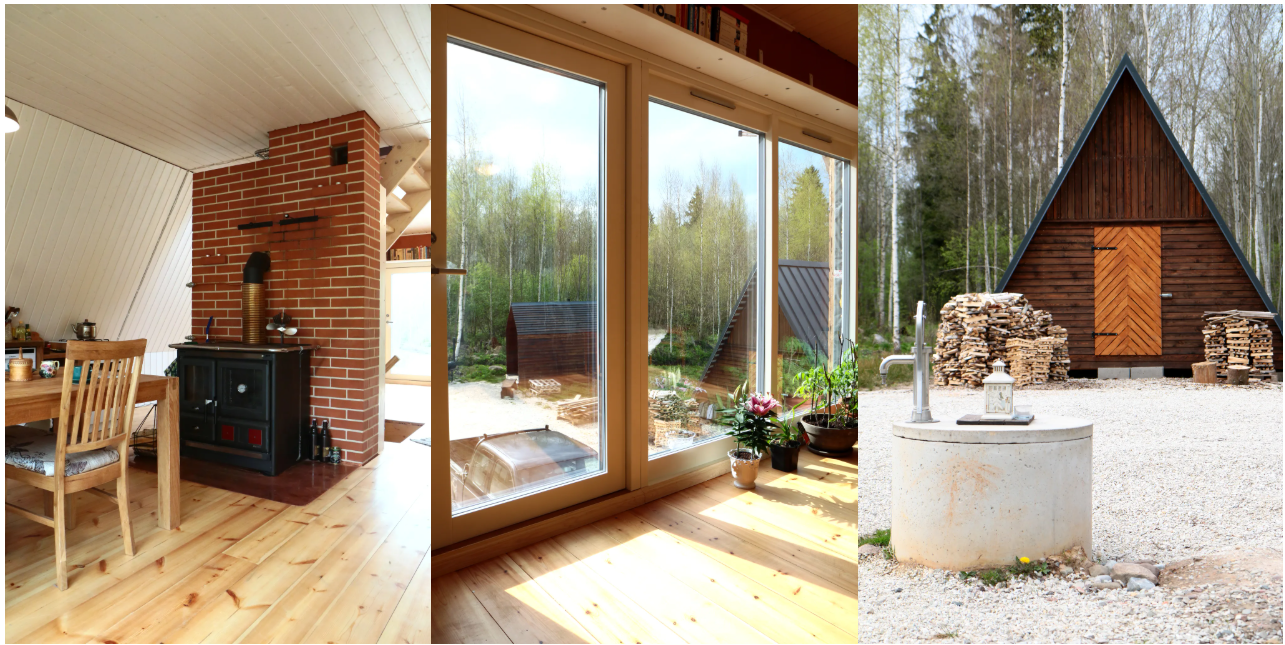
In many ways, low-tech is also trustworthy, like my stove. I just know I can trust my heating system because if I bring in a bunch of firewood, put it in the stove, and light up, there is not a single chance that it doesn’t get warm. It always does. I like that.
All these heat pumps and modern systems are of course good. But according to Murphy’s Laws, they tend to break down on the Christmas Eve. On Christmas Eve, I make a fire… and even if something should happen with my solar system or back-up generator, I can light up a candle, make a nice cup of tea on my wood stove, and read a book. I’m still enjoying myself. It’s basically the same with water and heat.
Living off-grid can have a number of benefits and very little downside if you do the planning right.
If you don’t pay so much on utility bills, you have more time and money for your hobbies. I collect forest knives, shoot bows, and do stuff I like instead of working on two jobs just to pay the bill. I’ve left that life behind, four years ago…
Different Approaches and Philosophies in the Off-Grid Community
Within the world of off-grid living, there’s an incredible spectrum of lifestyles and philosophies—and trust me, I’ve seen just about every flavor. Some folks aim for total self-sufficiency, growing their own organic vegetables and maybe even raising a few backyard chickens or goats. Others focus on minimalism, choosing to live with just the basics and delighting in the freedom that comes with having fewer things.
Then there are those who prioritize comfort, installing hot tubs and the latest gadgets, proving that off-grid doesn’t have to mean roughing it. Some people take pride in living as sustainably as possible—harvesting rainwater, composting everything, and keeping their carbon footprint to a bare minimum. Meanwhile, there are others who go off-grid for the peace and quiet, only popping into town occasionally to stock up on their favorite treats from well-known brands (Oreos, anyone?).
Some off-gridders tuck themselves away deep in remote forests or open prairies, while others choose to stay near civilization—believe it or not, there are city dwellers living “off-grid” by disconnecting from public utilities and relying on their own energy systems.
The beauty of it is this: there’s no single right way to live off the grid. The community is as diverse as it is welcoming, and you can find a path that fits your values, needs, and dreams.
Off-grid living: city or countryside?
You might think off-grid living only happens on some wild, remote patch of land where “neighbours” means the occasional moose. But actually, it’s not about your address—it’s about your connection (or lack thereof) to the utility grids.
There are folks out there who have managed to disconnect from electricity, water, or gas while still living right in the middle of bustling cities like Berlin or Los Angeles. It’s a matter of adapting—maybe collecting rainwater on a rooftop, installing solar panels on a balcony, or composting in an urban backyard.
On the flip side, some people live miles from the nearest road yet still rely on public utilities. Ultimately, “off-grid” just means cutting those ties, wherever you choose to plant yourself. Whether you’re a city dweller looking to reduce your dependency, or you’re dreaming of that log cabin view, the principles are surprisingly flexible.
Is Off-Grid Living All About Survival?
Some folks think going off the grid is just for hardcore preppers or folks wanting to live like Bear Grylls, foraging in the wild and preparing for the next apocalypse. But let me set the record straight: off-grid living isn’t just about surviving a zombie outbreak or disappearing into the backwoods of Montana.
For most people, living off-grid is simply about creating a life that’s a little more independent—away from utility bills and daily traffic jams—not about stockpiling canned beans and learning to wrestle bears. Sure, you’ll pick up handy skills like fixing pipes, monitoring solar panels, and maybe learning how to split a log or two. But it’s not all emergency rations and makeshift shelters.
Instead, it’s about choosing what kind of comfort, freedom, and simplicity you want, whether you’re in a cozy mountain A-frame or somewhere a bit closer to civilization. Most days, it looks a lot less like “man versus wild” and a lot more like “me versus my to-do list.”
How to Choose Your Off-Grid Location
Selecting the right place to settle off-grid is a bigger puzzle than most folks expect—and it’s not just about planting yourself in a picturesque forest and calling it a day. Having walked this path myself, here’s what really matters when narrowing down your options:
1. Local regulations
Before you pack your bags, do your homework on local off-grid living laws. Zoning, building codes, and utility regulations are different everywhere, sometimes even from one neighboring village to the next. What flies in one province (or even ayuntamiento!) can be a non-starter a few kilometers away. Chat with locals and join off-grid communities online for inside info—firsthand experiences can save you a lot of paperwork headaches.
2. Climate considerations
Think carefully about what climate you (and your solar panels, and your water system) can realistically handle. For instance, coastal areas might sound dreamy, but humidity can cause mold issues (and your clothes might never quite dry). Higher elevations often mean colder winters but can offer cleaner air and less biting humidity. If you plan to rely on firewood, make sure there’s enough dry wood around to actually keep you warm when it matters.
3. Scenery that inspires you
Let the setting match your ideal day-to-day. I’m happiest nestled among olive groves, gazing at the mountains—your dream backdrop might be river valleys, dense forests, or wide-open prairies. If you spend most of your time outdoors, pick a spot that keeps you grounded and energized.
4. Proximity to amenities
While the whole point is to get off the grid, complete isolation can bring its own set of problems. Consider how often you’ll need to dash into town for supplies, health care, or to fix a tractor that refuses to start. If you love skiing, rock climbing, or need access to an airport for family visits, check that those are within striking distance. For most, a balance between remoteness and easy access to essentials makes life off-grid both peaceful and practical.
5. Ask the experts—the people already there
Finally, once you’ve whittled down your list, reach out to others who are already living off-grid in your contender regions. Nothing beats advice from someone who knows the quirks, microclimates, and best suppliers in the area. Don’t be shy—most off-grid folks are happy to share what they’ve learned.
Once you’ve considered these factors and talked to a few seasoned locals, you’ll find it much easier to pick a spot where off-grid living isn’t just possible, but genuinely enjoyable.
How to Choose Your Off-Grid Location
Navigating Local Laws and Legal Realities
Before you leap into a life off the grid, it’s crucial to get a handle on local regulations—these can make or break your plans. Unlike standard homes, off-grid setups come with their own legal quirks, and these quirks can differ dramatically from one region to the next. Even neighboring villages may have wildly different rules when it comes to building codes, land use, and necessary permits.
From my own experience, one of the first things I recommend is to narrow down where you’d actually like to put down roots. Think about the climate (dry and sunny, rainy and green, humid coastal—or, in my case, olive groves and mountain views won the day), but don’t forget ease of access to essentials you care about—a nearby airport, outdoor adventure spots, or a city with everything you need.
Once you’ve got a region in mind, do some homework:
- Check municipal regulations. Every town may have its own laws about what you can—and can’t—build off-grid.
- Talk to locals. People already living off-grid in the area are the best source of up-to-date intel. They’ll know about the quirks, the unspoken rules, and how strictly regulations are enforced.
- Consider legalities for utilities. Some regions might require you to connect to at least one main utility, while others may fully support complete independence.
If you don’t sort out the paperwork first, you could find yourself in a bureaucratic maze—or worse yet, tearing down everything you’ve just built. Take the time to familiarize yourself with local zoning laws, building codes, and environmental regulations before you start, and reach out to professionals who specialize in rural or alternative housing if you get stuck. This due diligence will save you heaps of headaches (and money) down the road.
How off-grid living stacks up environmentally
When you weigh off-grid living against conventional rural or city life, the environmental impact really comes down to the choices you make day-to-day.
On one hand, you can technically live off-grid in the city—maybe in a passive house with top-notch insulation, a rooftop vegetable garden, and the ability to bike everywhere. In some ways, that kind of urban lifestyle can be very eco-friendly: you make the most of public transport and don’t need to drive; you can shop at local markets; you have less land to maintain and fewer reasons to buy unnecessary things.
But for us, the city doesn’t offer that sense of space or connection to nature. Out here, living truly off-grid, our footprint is a lot smaller than someone who lives in the countryside in a typical suburban setup. The “traditional” country life often means a big manicured lawn, frequent drives into town, and a throwaway attitude toward stuff (out with the old, in with the new). Then there’s buying strawberries shipped from halfway across the world in January because the supermarket stocks them.
In contrast, going off-grid has pushed us to be far more intentional. We grow some of our own food, compost everything we can, and keep our patch of land a little bit wild—great for local insects and wildlife that get lost in all the surrounding farmland treated with fertilizer and pesticides. We’re always questioning what we really need before buying anything new and try our best not to create unnecessary waste.
At the end of the day, off-grid living nudges you to design your life around your values rather than convenience. There may not be a one-size-fits-all approach, but for us, living this way clearly keeps our environmental impact much lower.