Top Maintenance Tips to Boost Solar Efficiency on A-Frames
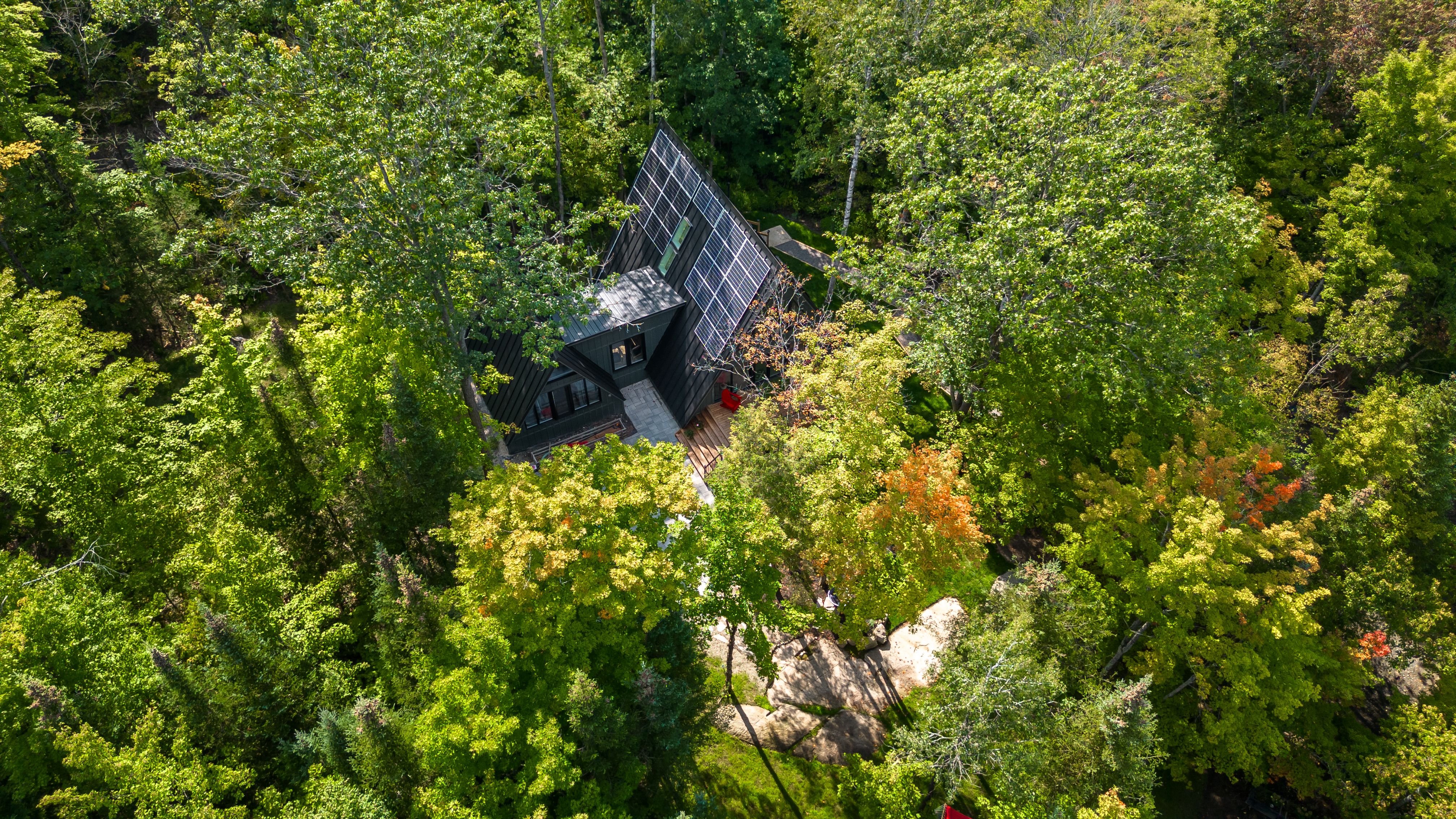
With more and more people seeking renewable energy, solar power has become very popular for homeowners, especially those with unique architectural designs like A-frame houses.
It’s important to understand why A-frame houses can be excellent candidates for solar power. The steep angle of A-frame roofs often aligns well with the optimal tilt for solar panels, especially in regions with higher latitudes.
This natural inclination can increase energy production throughout the year, particularly during winter when the sun sits lower in the sky.
However, this unique feature also comes with its own set of challenges. The limited roof space and potential shading issues from nearby trees or structures require careful planning and regular maintenance to ensure peak performance.
By implementing the right strategies, A-frame homeowners can enjoy substantial energy savings.
Clean Regularly
One of the most critical aspects of maintaining solar efficiency on A-frame houses is keeping the panels clean. Due to their steep angle, A-frame roofs can accumulate debris more quickly than traditional roofs. Leaves, twigs, and even snow can build up on the panels, lessening their ability to absorb sunlight and generate electricity.
Clean your panels at least twice yearly, ideally in spring and fall. Avoid scratching the panels using gentle cleaning tools such as soft brushes and non-abrasive materials. Clean your panels early in the morning or on overcast days to prevent rapid evaporation of cleaning solutions.
Safety Tip: Always prioritize personal safety when maintaining solar panels on A-frame roofs. Use proper fall protection equipment or hire professionals for tasks that require access to the steep roof.
Optimize Panel Placements
While the initial installation of premium solar panels is crucial for efficiency, ongoing maintenance should include periodic checks and adjustments to ensure optimal placement and angle. A-frame houses offer a natural advantage regarding panel tilt, but seasonal changes and surrounding vegetation growth can impact performance over time.
Check your panels’ tilt angle at the beginning of summer and winter to account for the sun’s changing position. Monitor shading patterns, look for trees that might cast shadows on your panels, and address any issues promptly. Consider installing adjustable mounts that allow for easy angle modifications without major renovations.
Regularly assessing and adjusting your panel placement ensures that your A-frame solar system captures maximum sunlight throughout the year, boosting overall efficiency and energy production.
Maintain Inverters
Inverters help convert the DC power generated by your solar panel system into usable AC power for your home. For A-frame houses, which may have limited space for solar equipment, choosing the right inverter and maintaining it properly is essential for system efficiency.
Check your inverter at least once a month for any error messages or unusual noises. Ensure proper ventilation around your inverter to prevent overheating, which can reduce efficiency. Dust and debris can accumulate on the inverter’s heat sink, impacting its cooling ability. Clean it gently with a soft brush.
Fact: Inverter failures account for 43% of reported solar system issues. Doing regular maintenance can significantly reduce the risk of inverter-related problems and maintain system efficiency.
Monitor System Performance
In the age of smart technology, monitoring your solar system‘s performance has become easier than ever. You should do regular monitoring as it is crucial to identify and solve any issues before it worsens.
Implement these monitoring strategies to maintain peak performance:
- Install a solar monitoring system: Many modern solar installations come with built-in monitoring capabilities if yours doesn’t, consider adding one.
- Check daily energy production: Monitor your system’s output for unexpected drops in production.
- Compare performance across seasons: A-frame roofs may perform differently depending on the season, so track long-term trends to ensure consistent efficiency.
- Set up alerts: Configure your monitoring system to send notifications if production falls below expected levels.
Always stay vigilant and track your system’s performance.
Trim and Landscape
The unique shape of A-frame houses often means they’re situated in wooded or natural settings. While this can provide a beautiful environment, it also presents challenges for solar efficiency. Overhanging branches and fast-growing vegetation can cast shadows on your panels, significantly reducing their output.
Check for branches that have grown to obstruct your panels, especially after the spring growth spurt. When trimming trees, focus on branches that cast shadows during peak sunlight hours (typically 10 am to 2 pm). When planting new trees or installing structures, consider their potential impact on your solar panels.
Bonus: Keep in mind that proper landscaping improves solar efficiency of your A-frame home by providing natural shading and windbreaks.
Empower Your A-Frame with Solar Efficiency
Maintaining solar efficiency on A-frame houses requires regular care, strategic planning, and ongoing monitoring. By implementing these maintenance tips, you can easily overcome the challenges presented by your home’s architecture.
Consistent attention and proactive care are the keys to long-term solar success. Regular cleaning, optimal panel placement, proper inverter maintenance, diligent monitoring, and thoughtful landscaping contribute to a high-performing solar system.
As technology advances, always stay informed about new developments in solar technology that further enhance the efficiency of your A-frame solar system.
With the right maintenance approach and a commitment to renewable energy, your A-frame home can be a shining example of sustainable living for years to come.