The Backbone of Sustainable Living: Why Energy Efficiency is Key to Eco-Friendly Housing
We all dream of a cozy home — one that’s warm in winter, cool in summer, and gentle on our wallets. But what if that same home could also help protect the planet? That’s where eco-friendly housing steps in. And at the heart of it? Home energy efficiency.
Let’s explore why high energy efficiency isn’t just a bonus — it’s the essential foundation of sustainable living and smart home design.
Why Energy Efficiency is Crucial for Sustainable Housing
Your home is more than just walls and a roof. It’s a complex system. Every plug, pipe, and panel either wastes energy or conserves it. The more efficient that system is, the more your lifestyle aligns with sustainable living.
- The Global Impact: Studies show that buildings are responsible for nearly 40% of global energy use. High efficiency is vital for reducing this footprint.
- The Solution: By focusing on smart design, superior insulation, and low-energy systems, homeowners practicing sustainable living can cut that impact dramatically.
Energy efficiency is the primary strategy for achieving an eco-friendly housing model and moving toward true sustainable building practices.
Understanding Eco-Friendly Housing (Green Building)
Eco-friendly housing, often called green building, means designing and constructing homes that minimize environmental harm. It’s about working with nature, not against it. These homes:
- Use significantly less energy.
- Produce fewer emissions.
- Often utilize sustainable, locally sourced materials.
Real eco-friendly homes are designed with a holistic approach—considering the home’s orientation, how it breathes, its heating and cooling needs, and the overall energy required for day-to-day function, making them models of sustainable living.
Key Components of an Energy-Efficient Home
This is where the rubber meets the road. What makes a home truly energy efficient?
- Superior Insulation: The undisputed champion. Good insulation keeps warmth in during winter and heat out during summer, drastically cutting down on heating and cooling demand.
- High-Performance Windows & Doors: Triple-glazed windows and tightly sealed exterior doors stop energy from leaking out, preventing thermal bridging.
- Air Tightness (Air Sealing): Reducing uncontrolled air leaks is one of the most cost-effective ways to lower energy use, improve indoor air quality, and enhance comfort.
- Efficient HVAC: Modern systems like heat pumps, radiant floors, and passive solar designs do more with less electricity and fuel.
- LED Lighting & Smart Controls: Simple upgrades like switching to LED lighting and using smart thermostats or energy management systems make a big difference in daily consumption.
Together, these components form the backbone of truly sustainable living in an eco-friendly home.
The Future: Integrating Renewable Energy
Once your home is highly efficient, the next step in sustainable housing is integrating renewable energy sources. An efficient home needs less power, making it easier and cheaper to meet all its remaining energy needs with clean power.
- Solar PV: Installing solar panels can turn your efficient home into a net-zero energy home, a fantastic goal for sustainable living.
- Solar Thermal: Using the sun to directly heat water reduces the workload on your water heater.
- Strategic Storage: Battery storage systems allow you to capture solar energy for use at night or during power outages, maximizing self-sufficiency in your eco-friendly housing project.
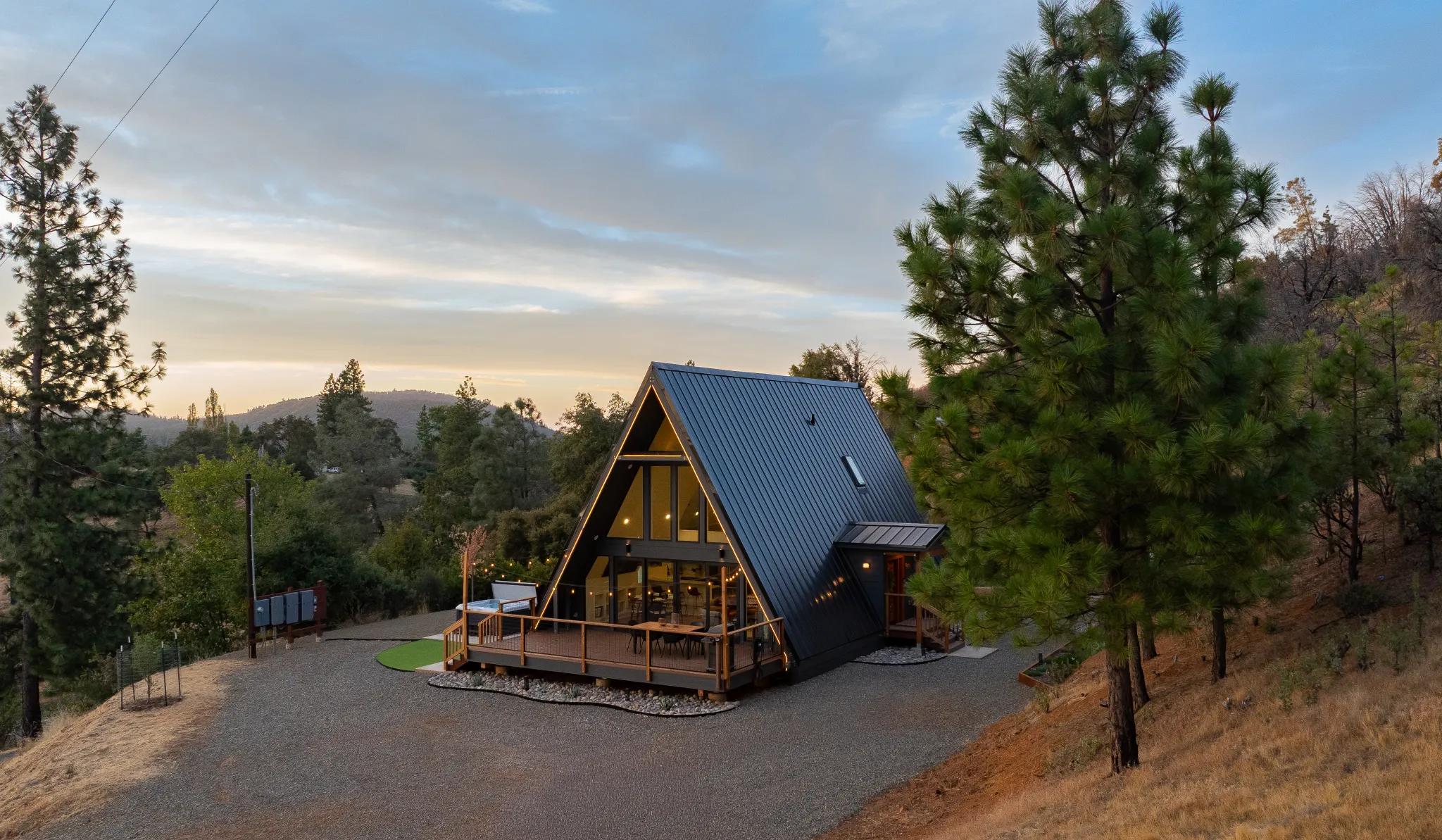
Avrame A-Frame Kits: Designed for Sustainable Living
At Avrame, we’ve designed our A-frame homes to make energy efficiency easy for self-builders. The iconic triangular shape is not just beautiful — it’s practical for achieving high thermal performance, supporting the goal of sustainable living right from the start.
- Optimized Shape: Less surface area than a conventional house, leading to less heat loss and gain.
- Insulation Ready: Simple shapes are easier to insulate well and consistently.
- Lower Heating Demand: Smaller internal volume means lower heating and cooling loads, saving money from day one.
Our kits help you build an eco-friendly housing solution that is ready for the future.
Saving Energy = Boosting Home Value and Savings
This part is simple: The less energy your house uses, the less you pay each month. Over time, those utility savings really add up, offering a fantastic return on investment (ROI) for your decision to pursue sustainable living.
- Financial Incentives: Governments globally offer tax credits, rebates, or grants for investing in energy-efficient homes and certified green building.
- Higher Resale Value: A low-energy, future-proof home has a significantly higher resale value. Buyers actively seek houses with low operating costs that demonstrate true commitment to sustainable living.
How to Get Started on Your Sustainable Home Journey
If you’re just beginning your building journey, here are a few tips to maximize energy efficiency in your eco-friendly housing project:
- Start with a Smart Plan: Prioritize insulation thickness, proper home orientation, and high-efficiency systems from day one.
- Use Quality Materials: Invest in the best windows, doors, and wall systems you can afford—they are permanent energy solutions.
- Consider Size and Layout: Smaller, well-designed spaces are easier (and cheaper) to heat and cool.
- Think Long-Term: Invest in features that reduce maintenance and long-term operating costs.
Energy efficiency is not just a feature—it is the indispensable foundation of eco-friendly housing and sustainable building. It saves you money, dramatically reduces your carbon footprint, and contributes directly to a philosophy of sustainable living.
Whether you’re building a tiny getaway or a full-time family home, designing for efficiency is one of the smartest choices you can make for your wallet and the planet.