5 Questions to Ask Before You Build Your Dream Home
Before building a dream home, ask what you're legally allowed to build on your land, what your full budget actually covers, who is catching expensive details early, what's included in your contract, and how much house you actually need. Answer these five questions before signing anything, and you avoid most expensive surprises.
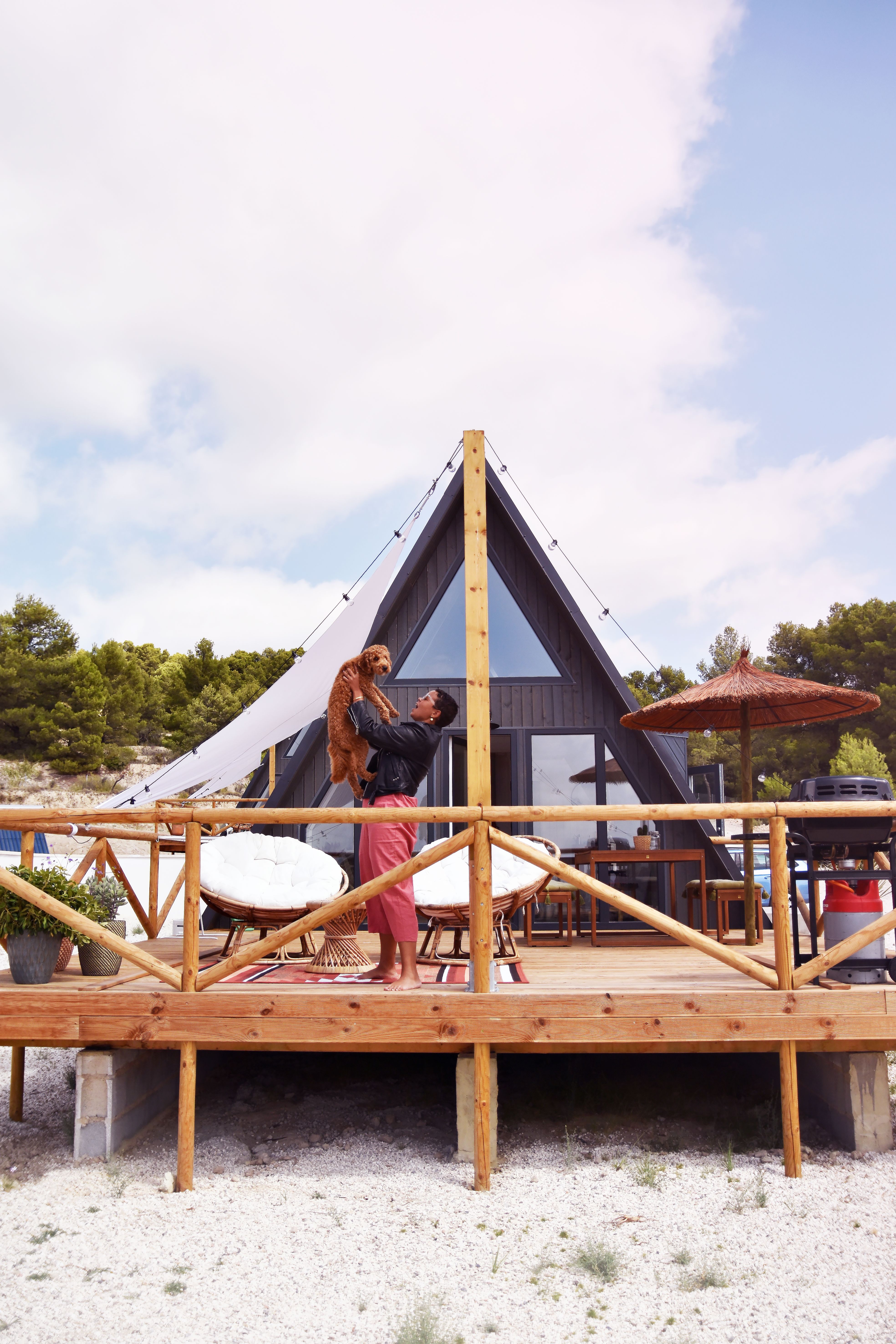
You found a photo of an A-frame somewhere online. Steep roof against the trees, a deck the right size for a coffee and a view. You can already picture mornings there.
That picture is the easy part. The questions standing between you and an actual foundation are the part nobody warns you about.
Most house building projects don't go over budget or past deadline because someone picked the wrong color. They go over because somebody forgot to ask a question early enough to do something about it.
Here are the five that matter most.
1. What Are You Actually Allowed to Build on Your Land?
Every plot of land comes with its own rulebook, and most people don't open it until after they've fallen in love with a house design.
Municipalities set limits on what you can build: maximum foundation area, maximum height, sometimes even the type of roof you're allowed to have. A steep A-frame roof isn't automatically approved everywhere. Some areas cap roof pitch. Others require wheelchair access on the ground floor, or extra structural calculations for wind and snow load.
None of this puts your dream house off the table. It just means you find the boundaries before you fall in love with a floor plan that doesn't fit them.
This is where a local architect earns their fee. They know your municipality's rules, they can tell you what's realistic on your specific plot, and they handle the paperwork that goes with requesting a permit. Get them involved early, even if you're not using them for the design itself.
The question to ask yourself: have I confirmed, in writing, what I'm allowed to build here? Not what I assume. Not what worked for your neighbor. What your specific plot allows.
If the answer is "I haven't checked yet," that's step one. Everything else on this list depends on getting it right first.
2. Does Your Budget Cover the Whole Build, Not Just the House?
Ask anyone who has built a house what surprised them most, and the answer is rarely the house itself. It's everything around it.
Land prep. Foundation work. Scaffolding rental. Temporary power on site. Transport for materials. Trash disposal during construction. None of these show up in the glossy photo, and all of them show up in the bill.
A real budget covers every stage of the build: pre-planning, permits, ordering and contracting, groundworks, the kit itself, technical installations, interior finishes, and landscaping. Eight stages. If your budget only accounts for two or three of them, it's not a budget yet. It's a guess with a dollar sign on it.
There's also the payment schedule to think through. Most suppliers, Avrame included, require a percentage upfront. That's not unusual, but it means your money needs to move faster than you might expect once you commit. Can you actually follow that schedule, or does your financing assume a slower pace?
The honest answer to "how much does it cost to build a house" is always "it depends," and that's not a dodge. It depends on your land, your finishes, your climate, your choices. You turn "it depends" into a real number by pricing out every line, not just the headline ones.
3. Who's Catching the Expensive Details Before They Get Expensive?
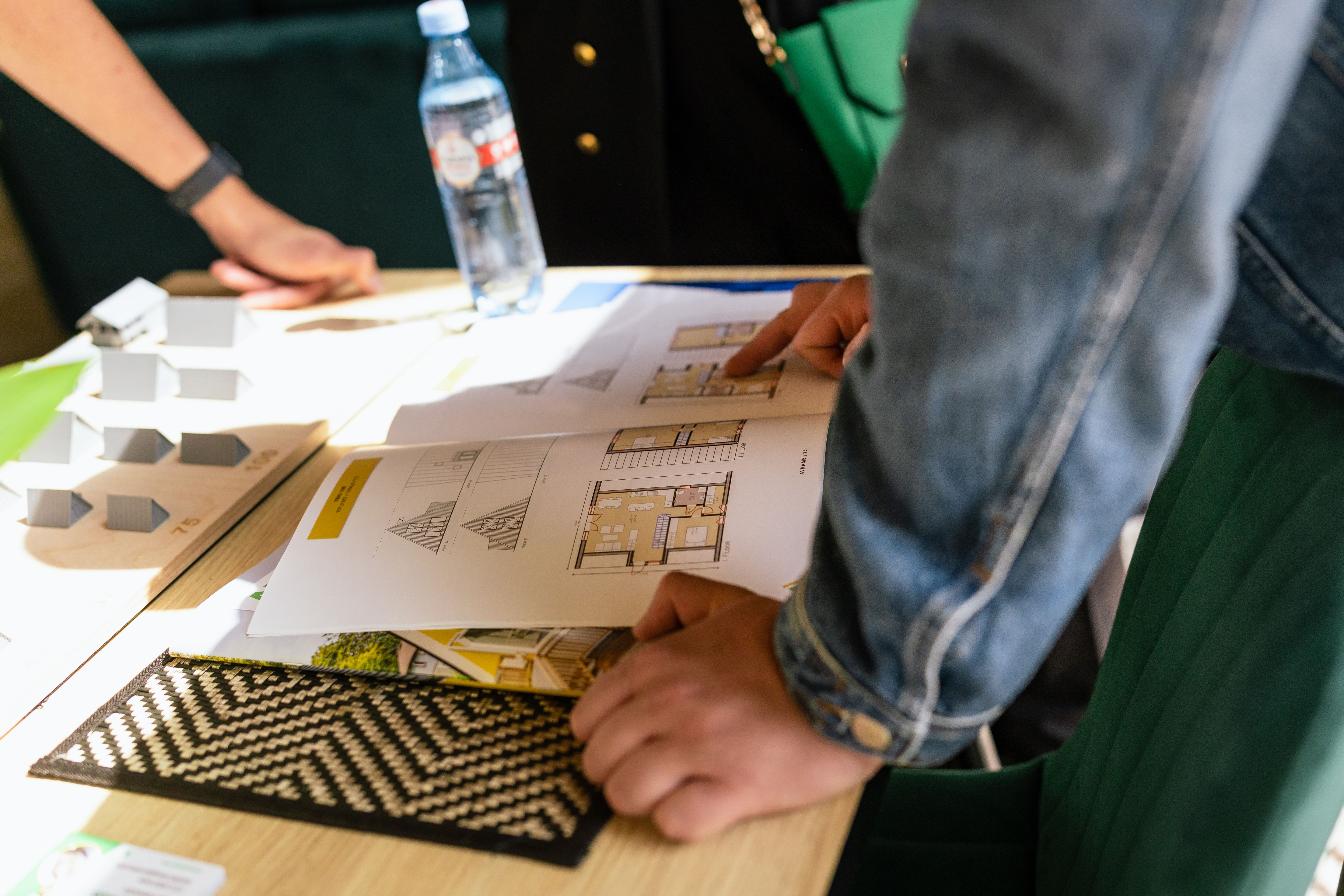
Some questions are easy to remember. Where do you want the bedrooms. What does the kitchen look like. Those are the fun ones.
The questions that actually protect your budget are less fun. What's the required U-value for your walls and windows. Do you need a structural engineer to sign off on the drawings. Does your local code require an energy efficiency calculation or a pressure test. Is a permit needed before scaffolding goes up.
You don't need to memorize all of this yourself. You need someone whose job it is to know it: a local architect, a structural engineer, or your kit home manufacturer's technical team.
Bringing them in early isn't about slowing you down. It's the opposite. A misunderstanding caught in the planning phase costs you a phone call. The same misunderstanding caught after the foundation is poured costs you money, and sometimes a redo.
Ask whoever you're working with: what haven't I asked yet that I should have? A good architect or rep will have an answer. If they don't, that's worth noticing too.
4. Do You Know Exactly What's Included in Your Kit?
"What's included" sounds like a simple question. It rarely gets a simple answer.
A house kit generally comes with everything needed to set up the structure itself, but windows, roof covering, and finishing materials can be included or separate, depending on the supplier and the agreement. If you don't pin this down in writing, you'll find out the hard way, usually when an invoice for something you assumed was included lands in your inbox.
This is the actual argument for a pre-engineered, pre-cut kit over building from raw materials on site. With raw materials, the details get figured out as you go, by whoever's on site that day. With a kit, the structural decisions are made before a single piece ships, which means fewer "we'll figure it out later" moments and a budget that's far more predictable.
It's also why there are no interior load-bearing walls in an A-frame kit like this. The structure carries its own weight, so you get to design the inside of the house around how you actually want to live in it, not around where a wall has to go.
Before you sign anything, get the full list of what's in the kit, what's not, and what the payment and delivery terms are for every supplier involved. Asking feels awkward for about thirty seconds. Not asking can cost a lot more than thirty seconds.
5. How Much House Do You Actually Need to Live the Life You're Picturing?
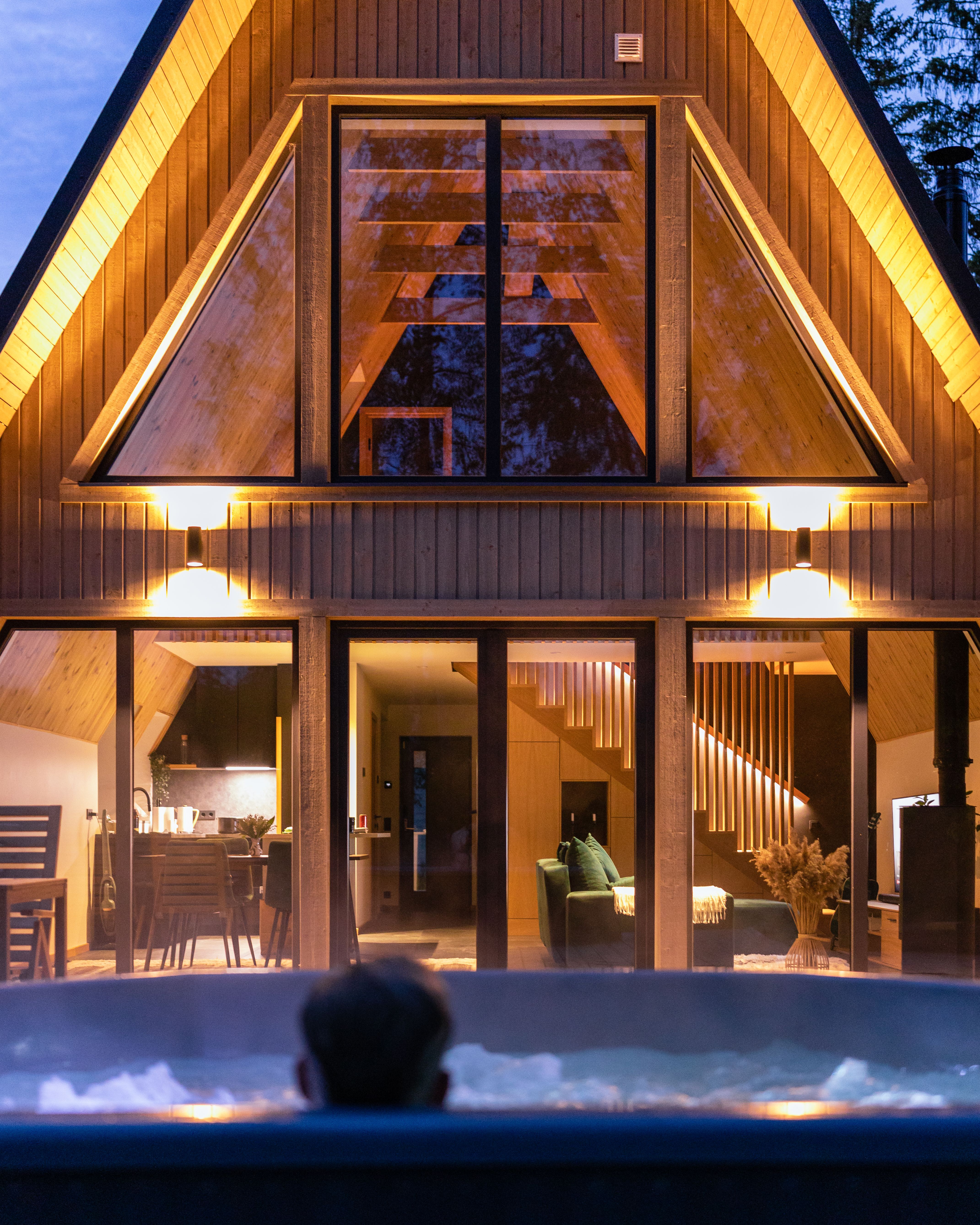
Most people start this process by listing what they want: a guest room, a home office, extra storage, a bigger kitchen than they currently have.
Fewer people start by asking what they actually need to use day to day. That second list is usually shorter, and it's the one that should come first.
A bigger house doesn't just cost more to build. It costs more to heat, more to cool, and more to maintain for as long as you live in it. Smaller, well-designed volume (especially in an A-frame, where the shape itself reduces the air you're heating and cooling) tends to mean lower running costs for decades, not just a lower price tag on day one.
That doesn't mean shrinking everything down to the bare minimum. It means separating "need" from "want" before you finalize a floor plan, so the want list doesn't quietly inflate your budget and your heating bill at the same time.
We've written a full breakdown of how to think through this question if you want to go deeper: How Much House Do You Actually Need?
Your Next Step
Five questions, asked early, save you from the version of this project where you're redesigning the budget halfway through the build.
If you want the long version, the one with all 100 questions sorted by when to ask them and who can answer them, that's exactly what our guide is for. It won't hand you the answers (those depend on your land, your code, your choices) but it'll make sure you don't find out you missed one the expensive way.
What's the first question I should ask before building a house?
Confirm what you're actually allowed to build on your land before you fall in love with a design. Zoning rules, height limits, and foundation area restrictions vary by municipality, and they determine which floor plans are even possible. Get this from your local architect or municipality in writing, not from assumption.
Do I need an architect if I'm building a kit home?
Yes, in most countries, even when the design itself comes from your kit manufacturer. A local architect handles permit paperwork, confirms what your specific plot allows, and signs off on details your municipality requires. Get them involved during planning, not after you've ordered.
How much does it cost to build an A-frame kit home?
It depends on your land, climate, finishes, and how much of the work you do yourself, so there's no single honest number. A complete budget accounts for all eight stages of building, from pre-planning through landscaping, not just the price of the kit itself. Pricing every stage individually, rather than guessing a total, is what gets you a number you can trust.
What's the difference between a kit home and a fully prefabricated modular home?
A modular home is built almost entirely at a factory and shipped to you in large finished sections, which limits customization and needs cranes and specialized crews on site. A kit home like Avrame's ships as pre-cut, pre-engineered parts that you or local builders assemble on site, which keeps the customization and lowers labor costs. Traditional stick-built construction sits at the other end: more flexible, but with more opportunities for delays and overruns.
What should I have in writing before I sign a contract?
A full list of what's included in the kit (and what's not), the payment schedule for every supplier involved, and delivery terms. Misunderstandings here are one of the most common, and most avoidable, sources of budget overruns in house building. If something isn't written down, assume it's not included.